
The Bottom Line Business Advisory
Where your business grows
The Bottom Line Business Advisory Pty. Ltd.
is a CPA Practice


Developing an Investment Plan
Developing an Investment Plan

Are you ready to take control of your financial future? Discover how to craft an investment plan that can pave the way to wealth and prosperity.
Review your finances
Before investing, it’s important to review your financial situation. Assess your debts, assets, income, and expenses to understand where you stand.
Moneysmart’s net worth calculator and budget planner can help to track and record these.
This will help you find out how much you can invest regularly, and how much of your savings can be invested.
Set financial goals
Write down your goals, that include a specific amount of money, and the time period in which you aim to reach it.
Categorise them into short term (0-2 years), medium term (3-5 years) or long term goals (5+ years).
Understand risks involved
Take some time to understand the risk factors involved that could impact the value of investments.
Usually, higher risks come with higher returns.
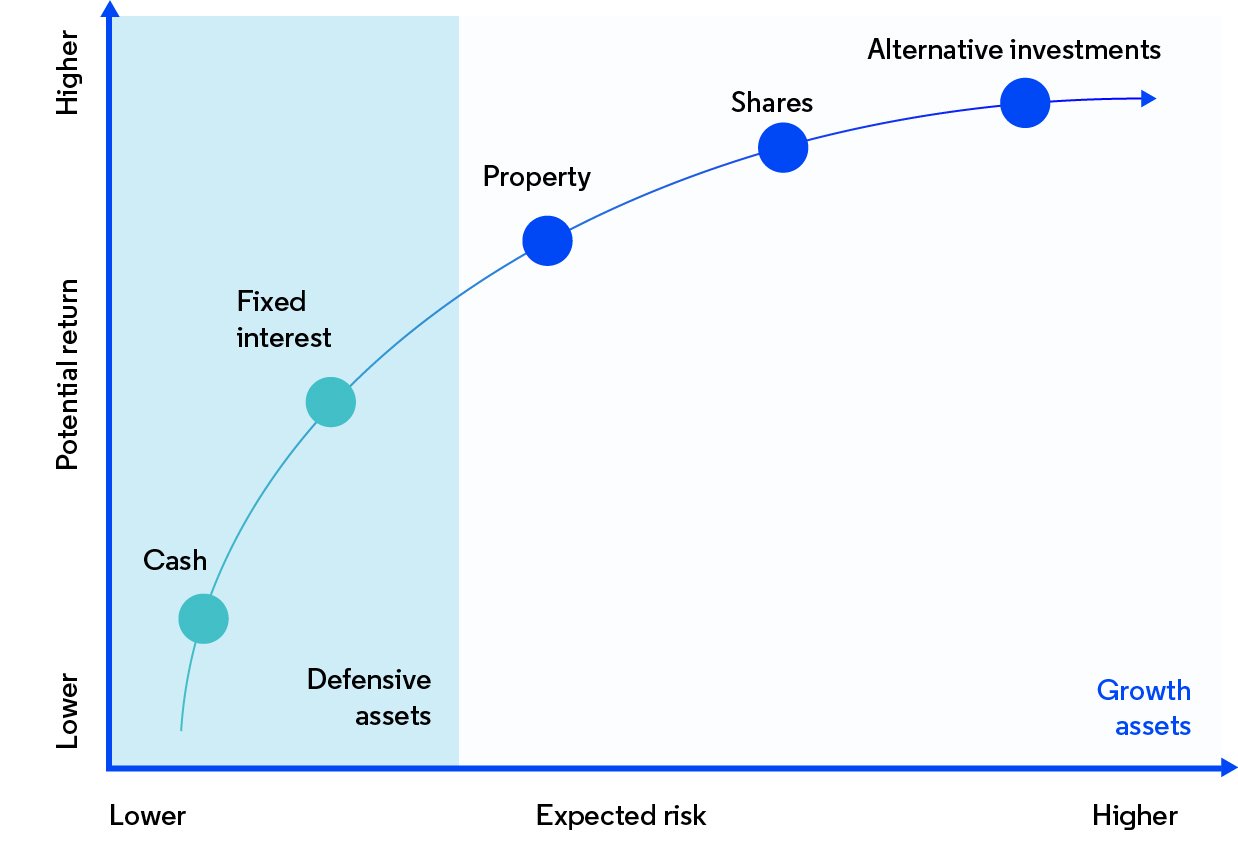
Evaluate your risk tolerance, which depends on how well you can cope with your investment falling in value.
A good question to ask is “How would I feel if I woke up tomorrow and found the value of my investments had dropped 20%?”. If this would be alarming, and you would withdraw your money, high risk investments may not be suitable.
Research investment options
When seeking the perfect investments, consider crucial factors such as the anticipated return, investment duration, risk tolerance, liquidity, transaction costs, and tax implications. By carefully analyzing these elements, you can align your investment choices with your financial goals and pave the way for optimal returns.
For an overview of various types of investments, check out Moneysmart’s pages.
Build a portfolio
If you have shorter term goals, low-risk investments are a better idea. However, if you have longer term goals, high-risk investments like shares can be better. Despite the short-term loss in value these can have, you can get past them if you’re in it for the long run.
Make sure to diversify your portfolio in different types of assets and areas within each of those types. This means if one of them falls in value, you will have a layer of protection.
Keep track of investments
Monitor the state and value of your investments regularly, to check if you’re on track to achieving your financial goals.
Learn more at moneysmart.gov.au


